
In this guide
Quick answer
Oud (also spelled oudh) is a dark, resinous wood from agarwood trees, mainly of the Aquilaria genus, that forms when the tree responds to wounding or fungal infection. It is distilled into a rich, smoky, sweet and woody oil used in perfumes and attars. Rare, slow to form and labor-intensive, it is often called “liquid gold.”
What exactly is oud?
Oud comes from the Arabic word for “wood.” The raw material is agarwood, the resin-soaked heartwood of trees in the Aquilaria genus, which grow in parts of South and Southeast Asia. A healthy tree has pale, nearly scentless wood. When a tree is wounded or infected, it produces a dark, aromatic resin as protection. That resin is oud.
This natural process is slow and unpredictable. The FAO notes that agarwood is found in only a small percentage of the Aquilaria trees that can produce it, and the resin can take many years to develop.
Why is oud so expensive?
Several factors push oud prices up.
- Rarity. Only some infected trees produce top-quality resin.
- Time. Resin can take years to develop.
- Labor. Harvesting, sorting and distilling are skilled, manual tasks.
- Low yield. A large amount of wood produces a small quantity of oil.
- Regulation. Wild Aquilaria species are listed in CITES Appendix II (the whole genus since 2004, and Aquilaria malaccensis since 1995), so international trade needs permits and monitoring.
- Demand. Oud has deep cultural importance across the Middle East, South Asia and beyond.
High-grade oud oil is often described as one of the most valuable raw materials in perfumery.
How does oud smell?
Oud is complex and changes with its origin and quality. Common descriptions include:
- Deep, woody and balsamic
- Smoky, leathery and slightly medicinal
- Warm, sweet and honey-like
- Sometimes animalic or earthy in raw form
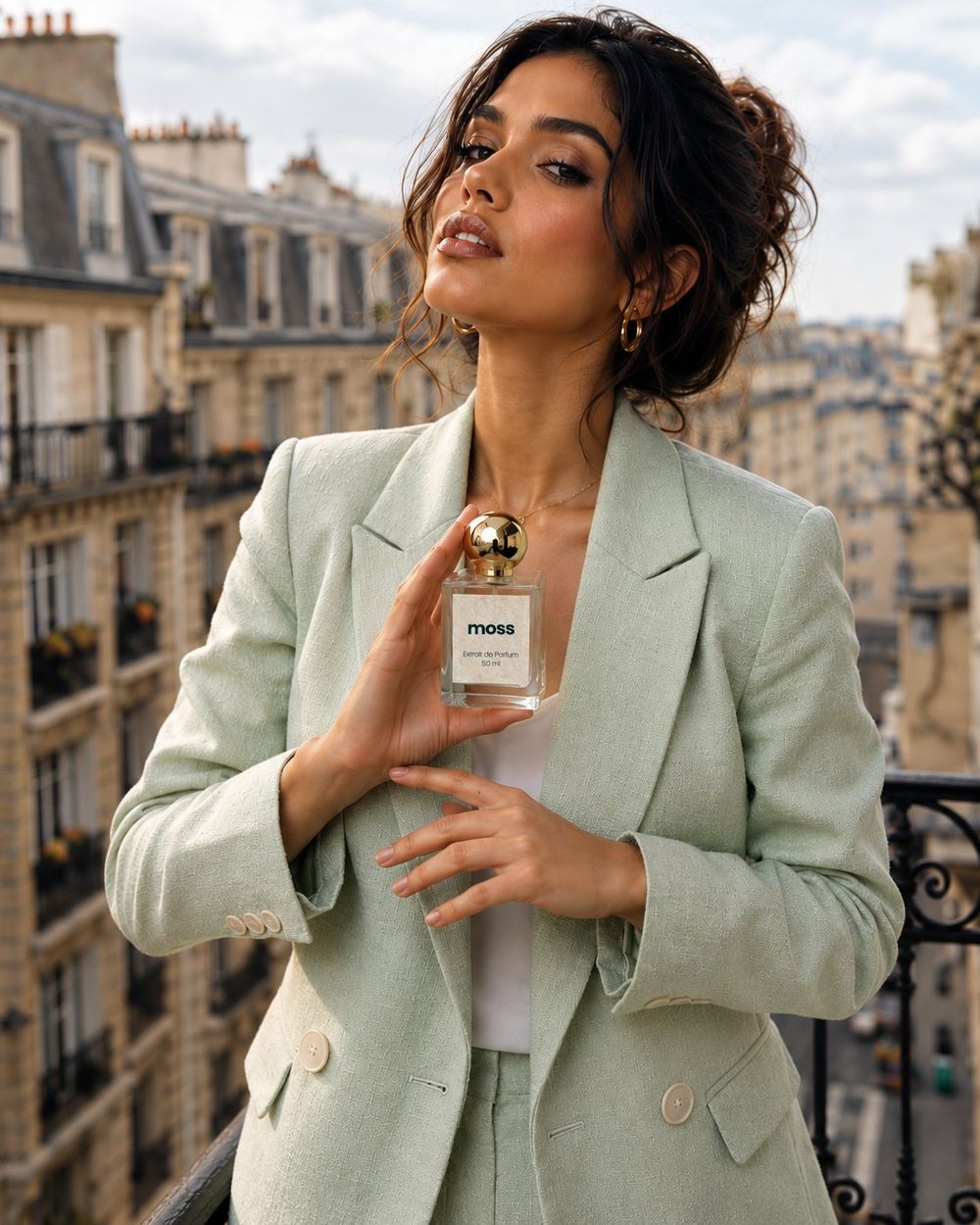
In perfumes, oud is usually balanced with rose, saffron, amber, vanilla, sandalwood, incense or spice to make it smooth and wearable. MOSS by VALMIKI is built on this idea, pairing agarwood (oud) with rose, incense, raspberry and saffron over amberwood and benzoin.
Is oud a recent trend?
Not at all. Agarwood has been used for incense, medicine and perfume across Asia and the Middle East for centuries, and appears in historical texts and religious traditions. In recent decades, Western perfume houses have featured oud increasingly, and it remains a staple of niche and luxury fragrance. Spate’s 2026 Fragrance Report lists Arabian-inspired perfumes and oud among the fast-growing trends, while trade reports point to softer, close-to-skin oud compositions.
What is the difference between oud and attar?
They are related but not the same.
| Oud | Attar (ittar) | |
|---|---|---|
| What it is | An aromatic resin or oil from agarwood | A traditional perfume oil made by distilling botanicals into a base |
| Base | Pure or blended oil | Often sandalwood oil or other natural oil base |
| Alcohol | Not required | Usually alcohol-free |
| Skin feel | Rich, intense | Oily, close to skin |
Many attars include oud, but not all do, and the table shows general tendencies because products vary widely. A classic attar might be rose, sandalwood, musk, jasmine or even the scent of the first rain on dry earth.
The story of Kannauj, India’s attar capital
In the Indian city of Kannauj in Uttar Pradesh, craftspeople have made attar for generations using a method called deg-bhapka. Botanicals are heated in copper stills, and the vapors travel through bamboo pipes into receivers holding a sandalwood oil base. The scented oil is then left in leather or glass containers, often placed in the sun so the excess water evaporates. Kannauj is often called the perfume capital of India, and Kannauj perfumes received a Geographical Indication (GI) tag in 2014. One of its best-known creations is mitti attar, which captures the smell of rain on earth.
How to wear oud perfume
- Start with one spray. Oud is potent.
- Use it on clothes or scarves to let the aroma linger. Test first on fabric.
- Wear it in cooler weather or evenings, when its richness blooms.
- Pair with a light scent. Layer a floral or citrus on top to soften it.
- Choose a style you like: soft oud with rose and vanilla, smoky oud with leather, or woody oud with amber.
Is oud perfume sustainable?
Sustainability is an important question. Wild agarwood is threatened by overharvesting, which is why some producers now use plantation-grown agarwood and sustainable harvesting practices, and why some perfumers use synthetic or reconstructed oud accords that mimic the smell without cutting down trees. When buying oud, look for brands that are transparent about sourcing and CITES compliance.
How to spot quality oud
- Ask about origin and sourcing.
- Look for depth and evolution rather than a flat, sharp smell.
- Expect long-lasting performance on skin and fabric.
- Be cautious of very cheap “pure oud oil” claims.
Explore MOSS or browse the full collection.
FAQs about oud perfume
Oud is an Arabic word meaning “wood.” In perfumery, it refers to the fragrant resin-infused heartwood of agarwood trees.
Because it is rare, slow to form, labor-intensive to produce and highly valued.
Yes. Oud is gender-neutral and appears in many blends for everyone.
Yes. It is known for exceptional longevity, often lasting many hours on skin and even longer on fabric.
Oud is made from agarwood. Agarwood is the resinous wood, and oud is the oil or fragrance material derived from it.