
In this guide
- What do perfume concentrations mean?
- The perfume concentration chart
- Is eau de parfum better than eau de toilette?
- Which lasts longer: EDP or EDT?
- What is the difference between perfume and cologne?
- Is parfum worth the extra price?
- Which concentration should you choose?
- How many sprays should you use?
- FAQs about EDP vs EDT
Quick answer
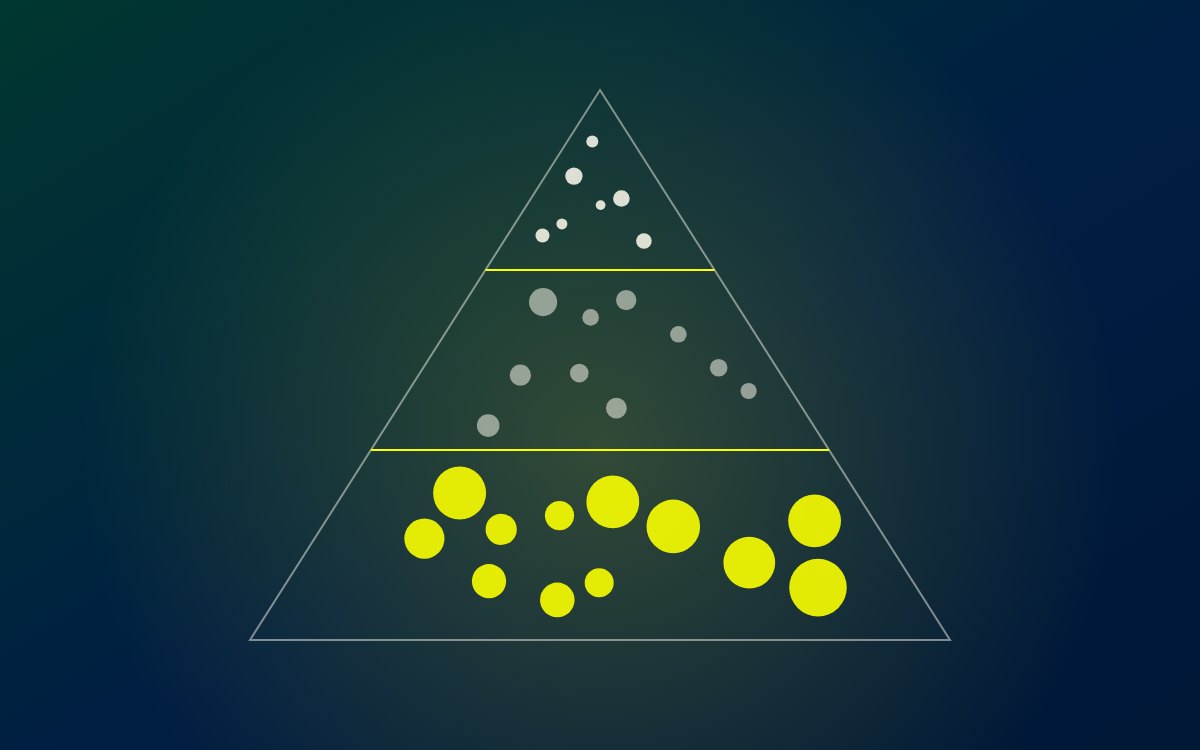
The difference is concentration. Eau de parfum (EDP) contains roughly 15 to 20% fragrance oil and lasts longer, often around 4 to 8 hours. Eau de toilette (EDT) contains about 5 to 15% and often lasts around 2 to 5 hours. Pure parfum is the strongest at about 20 to 40%.
What do perfume concentrations mean?
Every fragrance is a blend of aromatic oils and alcohol (sometimes with a little water). The percentage of oil is the concentration. The more oil, the stronger and longer-lasting the scent tends to be.
The perfume concentration chart
| Type | Fragrance oil | Typical longevity (approximate) | Best for |
|---|---|---|---|
| Parfum (extrait) | 20 to 40% | 8+ hours | Evenings, special occasions |
| Eau de parfum (EDP) | 15 to 20% | 4 to 8 hours | Daily signature scent |
| Eau de toilette (EDT) | 5 to 15% | 2 to 5 hours | Warm weather, office, daytime |
| Eau de cologne (EDC) | 2 to 5% | 2 hours | Quick refresh |
| Eau fraîche | 1 to 3% | 1 to 2 hours | Light, casual use |
These ranges are industry conventions, not legal standards, so they differ between brands, and longevity depends on skin, climate and ingredients. Some brands also use a different formula, not just a different dilution, for the EDP and EDT of the same name.
Is eau de parfum better than eau de toilette?
Not necessarily. EDP is stronger and lasts longer, so it suits people who want a lasting scent with fewer sprays. EDT is lighter and more airy, which many people prefer in heat, in the office, or for a fresh daytime feel. Some perfumes are even composed differently across concentrations, so the EDT may smell brighter, not just weaker.
Which lasts longer: EDP or EDT?
EDP generally lasts longer because it contains more fragrance oil. As a rule of thumb, expect an EDP to last a couple of hours more than an EDT of the same perfume. Heavier notes such as amber, oud and vanilla will outlast citrus in any concentration.
What is the difference between perfume and cologne?
In everyday use, “cologne” often means a men’s fragrance, but technically eau de cologne is a light concentration of about 2 to 5%. “Perfume” can refer to any fragrance, or specifically to parfum, the highest concentration. Fragrance has no gender. Wear what you love.
Is parfum worth the extra price?
Parfum has the most oil and the least alcohol, so it tends to sit closer to the skin, develop slowly and feel more intimate. A small amount goes a long way, so a bottle often lasts longer, which can balance the price. Every VALMIKI fragrance is made at parfum strength, with a 30% oil concentration, and comes in 20ml and 50ml sizes. See the full collection.
Which concentration should you choose?
- Choose EDT for hot climates, daytime, school or office, and layering.
- Choose EDP for an everyday signature scent that lasts through the day.
- Choose parfum for evenings, weddings, cold weather and gifts.
- Choose EDC for a quick, refreshing splash.
In warm, humid weather, lighter concentrations often feel more comfortable, while cold weather lets heavy parfum bloom beautifully.
How many sprays should you use?
| Concentration | Suggested sprays |
|---|---|
| Parfum | 1 to 2 |
| EDP | 2 to 4 |
| EDT | 3 to 5 |
Start small. You can always add more, but you cannot take it back. For tips on making any concentration last, read how to make perfume last longer.
FAQs about EDP vs EDT
EDP is stronger because it contains a higher percentage of fragrance oil, around 15 to 20% compared with 5 to 15% for EDT.
No. Parfum has a higher oil concentration, around 20 to 40%, and usually lasts longer than eau de parfum.
Yes, with fewer sprays. Choose EDPs built on fresh citrus, marine or light floral notes.
Neither. Eau de toilette refers to concentration, not gender.
No. Quality depends on the ingredients and composition. Concentration affects strength and longevity, not artistry.